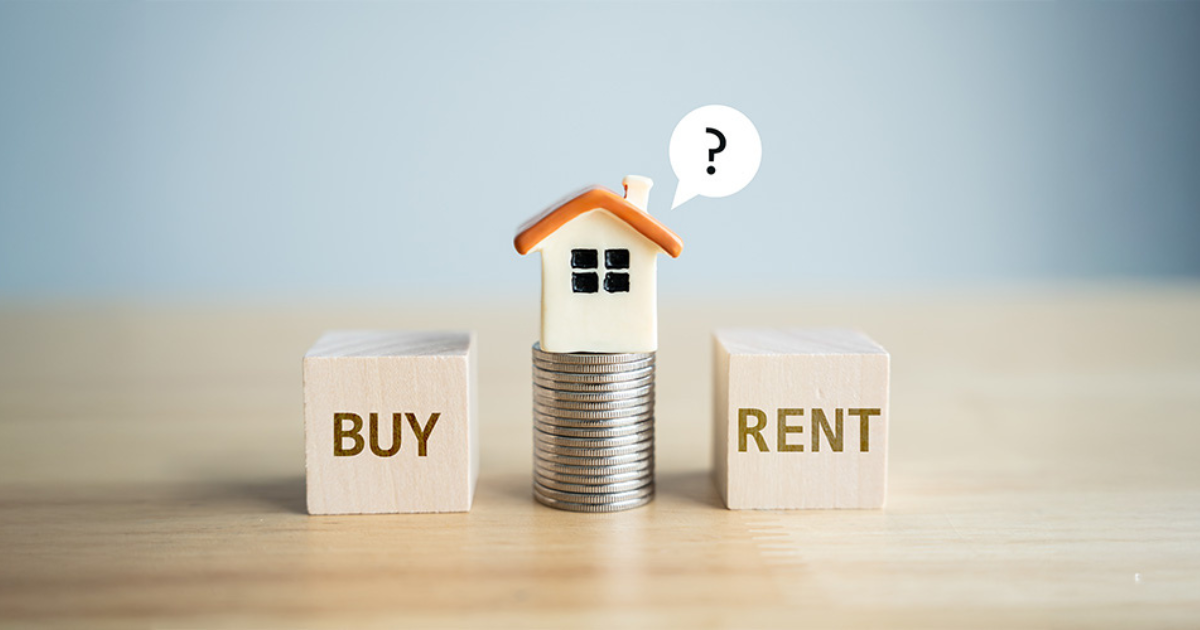
Choosing between buying and renting a home is one of the most significant financial decisions many people face. Each option has its advantages and disadvantages, and the right choice depends on your lifestyle, financial situation, and long-term goals. Understanding the pros and cons of both buying and renting can help you make an informed decision that aligns with your needs and priorities.
Pros and Cons of Buying a Home
Pros
-
Building Equity
When you buy a home, your monthly mortgage payments contribute to ownership. Over time, as you pay down the principal, you build equity, which can be a valuable financial asset. -
Stability and Control
Homeownership offers stability. You control the property, from renovations to landscaping, without needing landlord approval. You’re not subject to sudden rent increases or lease terminations. -
Potential for Appreciation
Real estate can increase in value over time, offering potential financial gain when you decide to sell. Owning a home may also provide opportunities for additional income, such as renting out a portion of the property. -
Tax Benefits
Homeowners may be eligible for tax deductions on mortgage interest and property taxes, which can reduce overall taxable income.
Cons
-
High Upfront Costs
Buying a home requires a significant initial investment, including down payment, closing costs, and moving expenses. -
Maintenance and Repairs
Homeowners are responsible for all maintenance and repair costs, which can be unpredictable and expensive. -
Reduced Flexibility
Owning a home can make it harder to move for work, education, or personal reasons. Selling a property takes time and may incur additional costs. -
Market Risk
Property values can fluctuate, and there’s a risk of losing money if the market declines.
Pros and Cons of Renting a Home
Pros
-
Lower Upfront Costs
Renting typically requires a security deposit and the first month’s rent, making it more accessible than buying. -
Flexibility
Renting allows you to move easily, which is ideal for students, young professionals, or those with jobs requiring relocation. -
No Maintenance Worries
Landlords are responsible for repairs and maintenance, saving tenants time and money. -
Predictable Expenses
Monthly rent is usually fixed for the lease term, making budgeting simpler.
Cons
-
No Equity Building
Monthly rent payments do not contribute to ownership, meaning tenants do not build long-term financial assets. -
Limited Control
Renters often face restrictions on decorating, renovations, or even keeping pets. -
Rent Increases
Rent may increase with each lease renewal, which can affect financial stability over time. -
Less Stability
Tenants may be subject to lease termination or eviction depending on the landlord’s decisions and property rules.
Factors to Consider When Deciding
-
Financial Situation
Assess your income, savings, and debt. Buying a home requires stable finances and enough savings for a down payment and emergency funds. -
Lifestyle and Mobility
Consider your career plans, family situation, and long-term goals. If you anticipate moving frequently, renting may be more practical. -
Market Conditions
Evaluate housing market trends in your area. High property prices or low interest rates can influence whether buying is advantageous. -
Personal Preferences
Think about how much control, customization, and stability you want. Owning offers control, while renting provides convenience and flexibility.
Conclusion
There is no one-size-fits-all answer to buying vs. renting a home. Ownership offers long-term financial benefits, stability, and equity building but comes with higher upfront costs and responsibilities. Renting provides flexibility, lower initial expenses, and fewer maintenance responsibilities but does not contribute to long-term wealth.
Ultimately, the decision should align with your financial situation, lifestyle, and future plans. By carefully evaluating your priorities and understanding the advantages and disadvantages of each option, you can make a choice that supports your personal and financial goals.