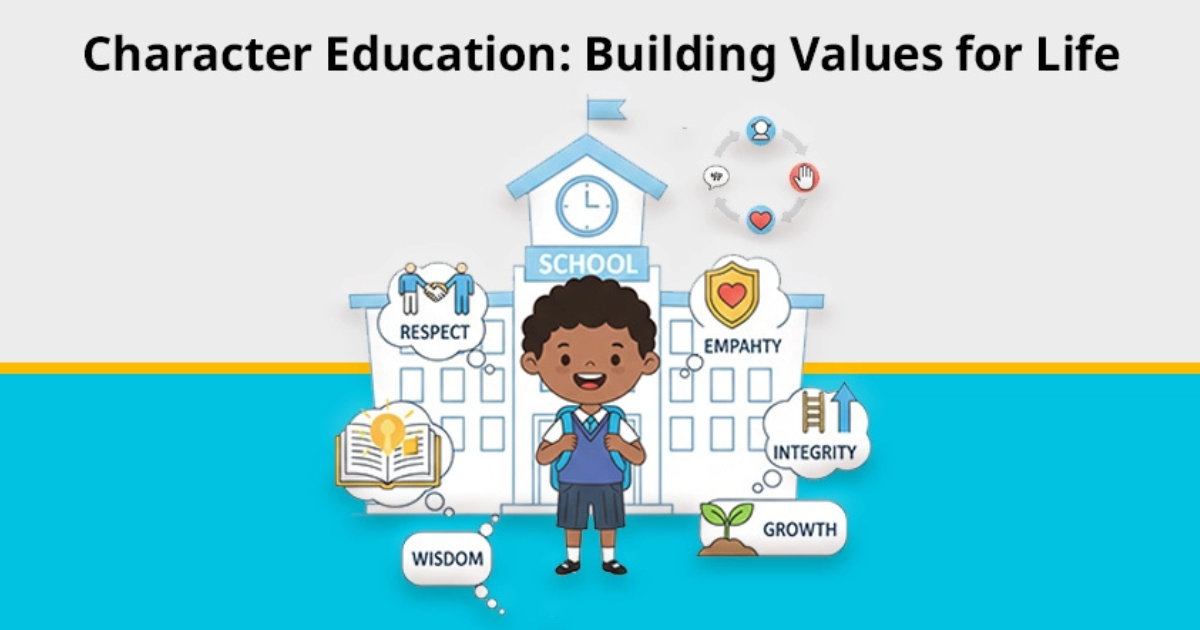
Education is not only about academic knowledge but also about shaping an individual’s character. Ethics and values play a crucial role in helping students become responsible, respectful, and compassionate members of society. In today’s fast-changing world, integrating moral principles into education is more important than ever.
What Are Ethics and Values in Education?
Ethics refer to the principles that guide behavior and help individuals distinguish between right and wrong. Values, on the other hand, are beliefs and attitudes that influence how people act and make decisions.
In an educational context, ethics and values are taught to help students develop integrity, honesty, respect, fairness, and responsibility. These qualities are essential for personal growth and for building a healthy society.
Importance of Ethics in Education
Ethics in education provide a strong foundation for students to make sound decisions in life. When students understand ethical principles, they are more likely to act responsibly and treat others with respect.
Ethical education also promotes accountability. Students learn to take responsibility for their actions and understand the consequences of their behavior. This helps in developing trust and cooperation in both academic and social environments.
Core Values Every Student Should Learn
There are several key values that education systems aim to instill in students:
Honesty
Honesty teaches students to be truthful in their words and actions. It builds trust and credibility in relationships.
Respect
Respect encourages students to value others’ opinions, cultures, and differences. It promotes harmony and inclusivity.
Responsibility
Being responsible means taking ownership of one’s actions and duties, both in school and in life.
Fairness
Fairness involves treating everyone equally and making just decisions without bias.
Empathy
Empathy allows students to understand and share the feelings of others, fostering kindness and compassion.
The Role of Teachers in Promoting Ethics
Teachers play a vital role in shaping students’ moral development. They serve as role models, and their behavior greatly influences students.
By demonstrating honesty, fairness, and respect in their interactions, teachers can inspire students to adopt similar values. Incorporating ethical discussions, real-life examples, and group activities into lessons can also help reinforce these principles.
The Influence of Schools and Curriculum
Schools are responsible for creating an environment that promotes ethical behavior. This can be achieved by:
- Including moral education in the curriculum
- Encouraging teamwork and cooperation
- Establishing clear rules and expectations
- Rewarding positive behavior
A value-based education system helps students understand the importance of ethical conduct in everyday life.
Role of Parents in Value Education
Parents are the first teachers in a child’s life and play a crucial role in developing ethics and values. Children often learn by observing their parents’ behavior.
Parents can support value education by:
- Teaching good manners and discipline
- Encouraging honesty and responsibility
- Discussing moral dilemmas
- Leading by example
A strong partnership between parents and schools ensures consistent moral guidance for students.
Challenges in Teaching Ethics and Values
Despite its importance, teaching ethics in education can be challenging. Modern influences such as social media, peer pressure, and cultural diversity can sometimes create conflicting values.
Additionally, not all students respond to moral lessons in the same way. This makes it important for educators to adopt flexible and inclusive approaches to teaching ethics.
Benefits of Value-Based Education
When ethics and values are integrated into education, students benefit in many ways:
- Improved decision-making skills
- Stronger relationships
- Increased self-discipline
- Greater social responsibility
These benefits extend beyond the classroom and contribute to building a better society.
Final Thoughts
Ethics and values are essential components of a well-rounded education. They shape not only how students learn but also how they live and interact with others. By promoting moral principles in schools and at home, we can help create responsible, ethical, and compassionate individuals who are prepared to face the challenges of the future.