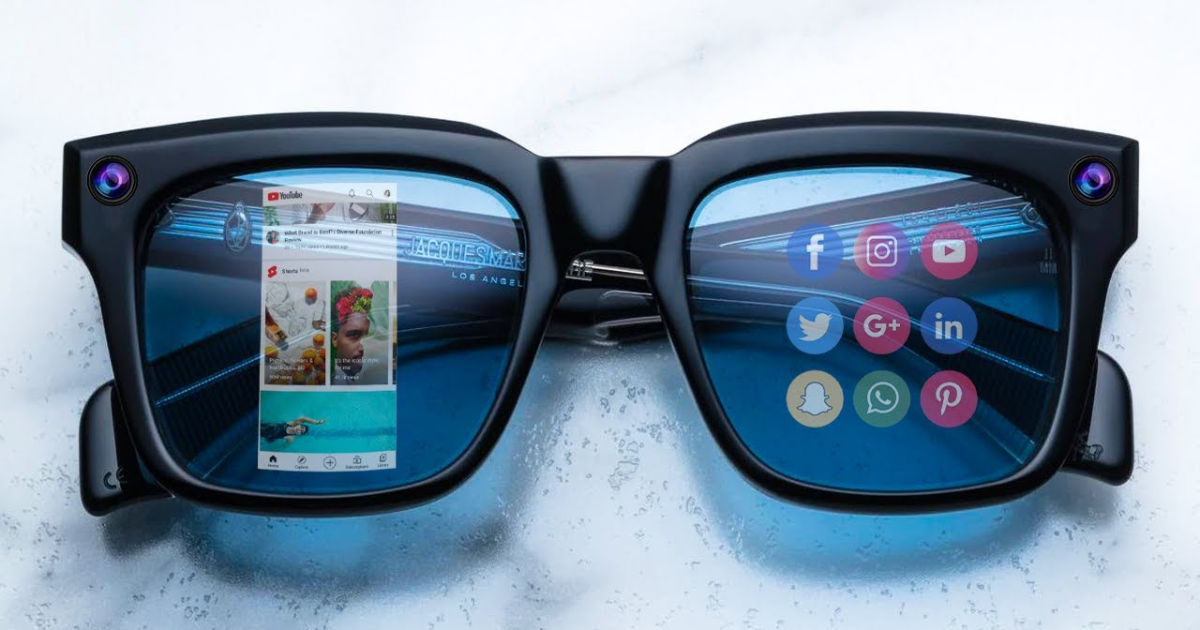
Smart glasses are quickly becoming one of the most exciting innovations in wearable technology. From hands-free calling and AI assistance to augmented reality (AR) displays, these devices are transforming how we interact with the digital world. In this guide, we’ll explore the best smart glasses available and help you choose the right pair for your needs.
What Are Smart Glasses?
Smart glasses are wearable devices that combine traditional eyewear with advanced technology. Depending on the model, they can include features like built-in cameras, speakers, augmented reality displays, and voice assistants.
In 2026, smart glasses fall into three main categories:
- AI camera glasses (for photos, calls, and voice assistants)
- AR display glasses (for virtual screens and gaming)
- Audio smart glasses (for calls and music only)
Best Smart Glasses in 2026
Best Overall
These are currently the most practical smart glasses for everyday use. They look like normal eyewear but include a camera, open-ear speakers, and voice control. You can take photos, record videos, and even livestream directly from the glasses.
They are widely considered the best all-around option thanks to their balance of design, features, and usability.
Best for AR Entertainment
These glasses create a large virtual screen in front of your eyes, making them perfect for watching movies or gaming on the go. They use Micro-OLED displays and deliver an immersive experience similar to a portable cinema.
Best for Productivity
VITURE glasses are ideal for professionals who want a portable workspace. They support multiple virtual screens and are compatible with laptops, smartphones, and gaming consoles.
Best for Gaming & Performance
High-performance AR glasses with large display and excellent brightness for gaming.
Rokid Max offers a bright display and smooth performance, making it a great option for gamers and tech enthusiasts. It delivers a high-quality viewing experience even in brighter environments.
Product Comparison Table
| Feature | Ray-Ban Meta Smart Glasses | XREAL Air 2 Pro | VITURE One XR | Rokid Max |
|---|---|---|---|---|
| Type | AI Camera Glasses | AR Display | XR Productivity | AR Gaming |
| Display | No display | Micro-OLED | Micro-OLED | Micro-OLED |
| Key Features | Camera, AI, audio | Virtual screen | Multi-screen work | Bright large display |
| Battery Life | ~2–4 hours active use | Device-powered | Device-powered | Device-powered |
| Best For | Everyday use | Entertainment | Work & streaming | Gaming |
Key Features to Consider
Functionality
Decide what you need most—camera, AR display, or audio. Ray-Ban Meta focuses on AI and daily use, while AR glasses focus on immersive visuals.
Design & Comfort
Since you’ll wear them like regular glasses, comfort and style matter. Some models are lightweight and resemble traditional eyewear, while others are more tech-focused.
Battery Life
Battery life varies widely. Camera-based glasses typically last a few hours, while AR glasses rely on external devices for power.
Compatibility
Make sure the glasses work with your smartphone, laptop, or gaming console.
Real User Insights
Many users appreciate how natural smart glasses have become:
“They look like normal glasses… nobody noticed.”
However, some users mention battery limitations, especially when using cameras or recording videos frequently.
How to Choose the Right Smart Glasses
- Choose Ray-Ban Meta for everyday use and AI features
- Choose XREAL Air 2 Pro for movies and entertainment
- Choose VITURE One XR for productivity and work
- Choose Rokid Max for gaming and performance
Final Thoughts
Smart glasses are no longer just futuristic gadgets—they are becoming practical tools for everyday life. Whether you want hands-free communication, immersive entertainment, or a portable workspace, there’s a smart glasses option for you.
As technology continues to evolve, smart glasses are expected to become even more powerful, potentially replacing smartphones in the future. For now, choosing the right pair depends on your lifestyle and how you plan to use them.