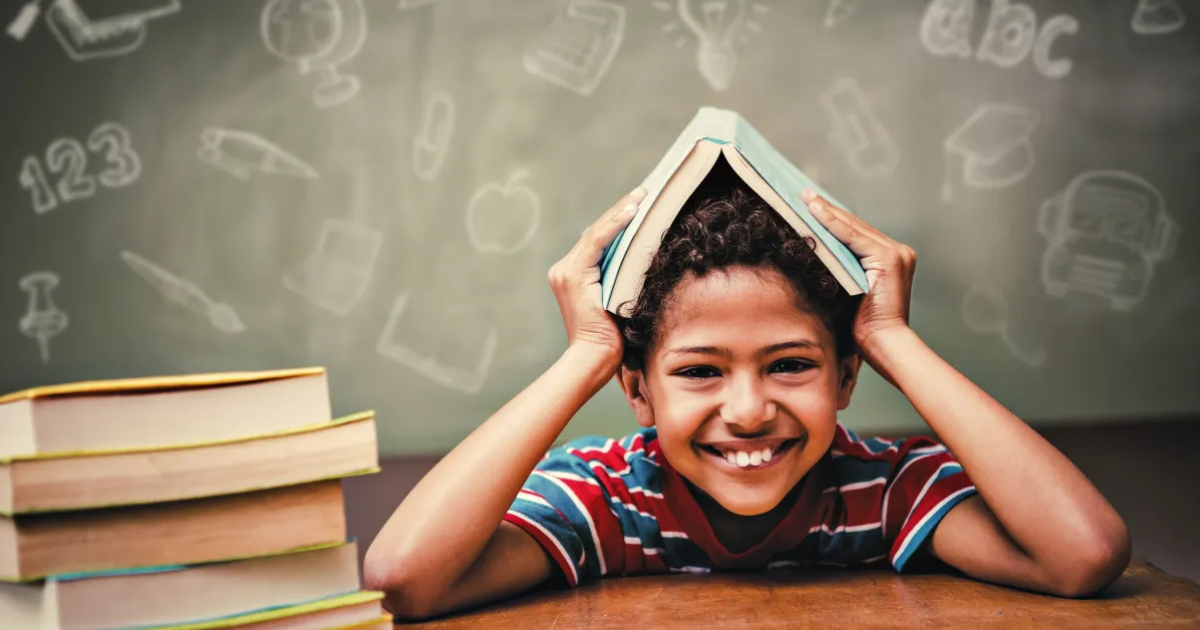
Primary education is the first formal stage of learning and plays a crucial role in shaping a child’s academic, social, and emotional development. It lays the foundation for lifelong learning, equipping children with essential skills, knowledge, and values. Understanding the fundamentals of primary education helps educators, parents, and policymakers create supportive learning environments that nurture well-rounded individuals.
The Importance of Primary Education
Primary education provides children with the basic literacy, numeracy, and cognitive skills necessary for further education. Beyond academics, it fosters critical thinking, creativity, communication, and social skills. Studies consistently show that strong primary education improves long-term outcomes, including higher academic achievement, better health, and increased economic opportunities.
Additionally, primary education helps instill core values such as discipline, responsibility, empathy, and teamwork, which are vital for personal development and social interaction.
Key Components of Primary Education
1. Literacy and Language Skills
One of the most fundamental aspects of primary education is developing literacy skills. This includes reading, writing, listening, and speaking. Early exposure to language helps children express themselves effectively, comprehend complex ideas, and develop a love for learning. Teachers often use storytelling, phonics, and interactive reading exercises to strengthen language abilities.
2. Numeracy and Problem-Solving
Mathematical skills are essential for logical reasoning and problem-solving. Primary education emphasizes basic arithmetic, geometry, measurements, and the introduction of data interpretation. Activities like puzzles, games, and practical exercises help children understand concepts and apply them in real-life situations.
3. Cognitive and Critical Thinking Skills
Primary education encourages children to think creatively and critically. Lessons often include activities that promote observation, reasoning, and decision-making. Early development of these skills enables students to analyze situations, make informed choices, and approach challenges with confidence.
4. Social and Emotional Development
Education is not just about academics. Primary education also focuses on social skills, emotional intelligence, and character building. Group activities, collaborative projects, and discussions teach children cooperation, empathy, conflict resolution, and respect for diversity. A supportive environment encourages self-confidence and resilience.
5. Health, Hygiene, and Physical Development
Physical education and awareness of health and hygiene are integral parts of primary education. Regular exercise, outdoor play, and lessons on nutrition, cleanliness, and safety contribute to overall well-being. Healthy children are better learners, and integrating physical education helps maintain focus and energy in the classroom.
6. Introduction to Science and Environment
Primary education introduces children to basic science concepts, environmental awareness, and curiosity about the world around them. Simple experiments, observation exercises, and nature exploration cultivate analytical thinking and a sense of responsibility towards the environment.
Effective Teaching Methods for Primary Education
-
Interactive Learning: Using games, activities, and multimedia to make lessons engaging.
-
Experiential Learning: Encouraging hands-on experiences and practical exercises.
-
Differentiated Instruction: Tailoring lessons to meet diverse learning needs and abilities.
-
Collaborative Learning: Promoting teamwork and peer interaction through group activities.
-
Continuous Assessment: Using regular feedback, quizzes, and observations to track progress and support improvement.
These methods help children remain motivated and actively involved in the learning process.
Challenges in Primary Education
Despite its importance, primary education faces challenges such as:
-
Access and Enrollment: Children in rural or underprivileged areas may face barriers to quality education.
-
Teacher Training: Well-trained teachers are essential for effective instruction.
-
Infrastructure and Resources: Classrooms, learning materials, and technology support are often limited.
-
Inclusivity: Children with special needs or from marginalized communities require tailored approaches.
Addressing these challenges is critical to ensuring every child receives a strong educational foundation.
Conclusion
Primary education is the cornerstone of lifelong learning. By focusing on literacy, numeracy, critical thinking, social-emotional development, and health awareness, primary education prepares children for future academic success and personal growth.
Investing in quality primary education ensures that children develop the skills, knowledge, and values necessary to thrive in an increasingly complex world. Strong fundamentals at this stage set the stage for a lifetime of learning, creativity, and responsible citizenship.